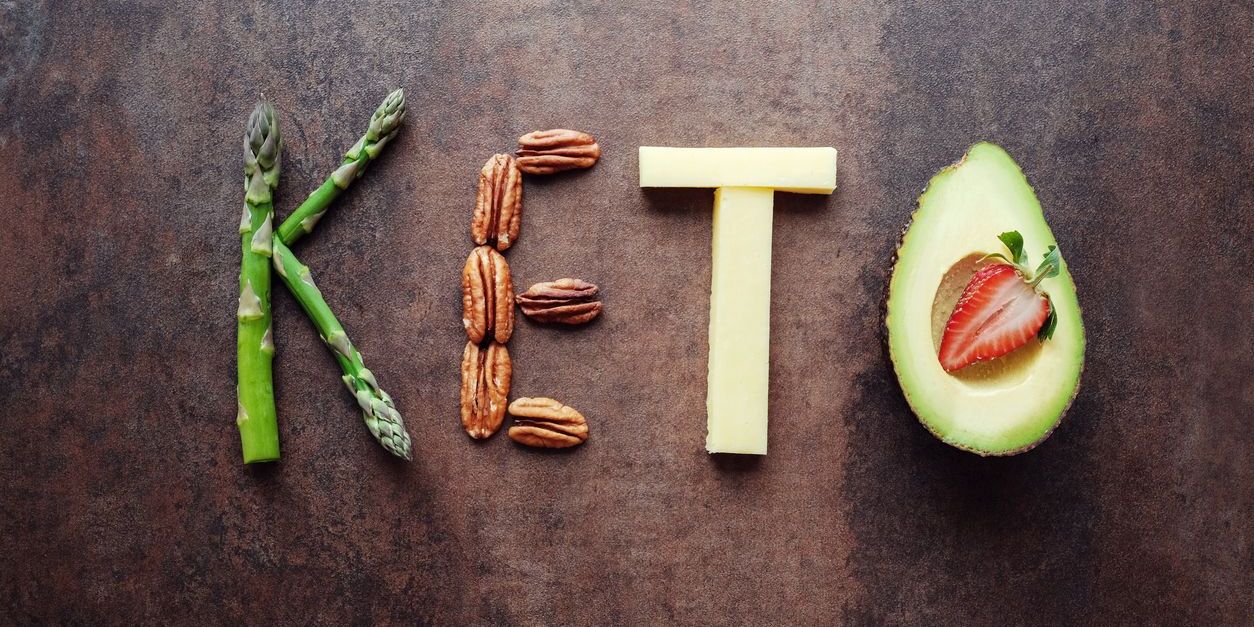
Summary: Yes, a keto diet can help people with treatment-resistant depression achieve moderate but significant reduction in depressive symptoms.
Key Points:
- The positive effect of diet on mental health is well-established, with reductions in sugar and processed foods, combined with increases in fruits, vegetables, and whole grains associated with improved outcomes related to mood and quality of life.
- A new study examines the impact of the ketogenic diet – high in fat, high in protein, high in green vegetables, low in carbs – on depressive symptoms among adults with treatment resistant depression.
- Outcomes show the keto diet can help people with treatment-resistant depression improve outcomes, but adherence to strict dietary protocols proves challenging for some patients.
The Ketogenic Diet and Treatment-Resistant Depression (TRD)
In the study “A Ketogenic Diet for Treatment-Resistant Depression: A Randomized Clinical Trial,” a group of mental health researchers designed an experimental protocol to explore this question:
“Does a ketogenic diet (KD; high fat, low carbohydrate) vs a control diet improve mental health outcomes in individuals with treatment-resistant depression (TRD)?”
We’ll offer details on the keto diet below. First, let’ define treatment resistant depression:
“Treatment-resistant depression (TRD) is a subtype of major-depressive disorder (MDD) that shows unsatisfactory response after at least two attempts at treatment with at least two types of antidepressant medications.”
For details on TRD and how we treat TRD at Crownview Psychiatric, please read our treatment page here:
Inpatient Depression Treatment Center
In this article, we’ll discuss the results of the study we introduce above, what they mean for depression treatment, and how this new knowledge can help our patients. First, let’s take a closer look at the available facts and figures on treatment-resistant depression.
How Many People Have Treatment-Resistant Depression?
Experts indicate that roughly 30 percent of people diagnosed with clinical depression, i.e. major depressive disorder (MDD), have TRD. Therefore, to estimate rates of treatment-resistant depression in the general population, we first need data on the prevalence of typical major depressive disorder (MDD).
Data from the 2023 National Survey on Drug Use and Health (2023 NSDUH) show the following prevalence rates for major depressive episode (MDE), which is a proxy metric for estimating the prevalence of major depressive disorder (MDD).
Major Depressive Episode in 2023: Adults in the U.S.
- Adults 18+ total: 8.5% (21.9 million)
- Adults 18-25: 17.5% (5.9 million)
- Adults 26-49: 10.2% (10.5 million)
- Adults 50+: 4.5% (5.3 million)
Based on these figures, we can estimate the prevalence of TRD.
Treatment-Resistant Deprssion in 2023: Adults in the U.S.
- Adults 18+ total: 2.5% (6.6 million)
- Adults 18-25: 5.5% (1.8 million)
- Adults 26-49: 3.1% (3.2 million)
- Adults 50+: 1.35% (1.6 million)
Those figures tell us that 13.2 million people in the U.S. have treatment resistant depression.
When MDD or TRD goes untreated and unresolved, consequences include:
- Problems/instability in relationships
- Difficulty meeting expectations at work
- Problems meeting expectations at school
- Declining ability to engage in basic daily necessities such as eating appropriate/healthy meals and managing personal hygiene
- Risk of co-occurring mental health disorders
- Alcohol addiction/drug addiction, i.e. alcohol use disorder (AUD), substance use disorder (SUD)
- Elevated risk of chronic physical conditions
That’s the information needed to understand TRD, and why it’s important for mental health professionals – from clinician providers to academic researchers – to engage in an ongoing exploration f and search for new ways to support patients with TRD.
In the study we introduce above, researchers examined the impact of the keto diet on TRD, and used the Phyto Diet as a control protocol. We’ll define and elaborate on these diets below, starting with the keto diet.
Note: in this context, diet simply means what you eat, rather than an effort/method to lose weight.
What’s a Keto Diet Anyway?
The National Institutes of Health (NIH) define a ketogenic diet as follows:
“The ketogenic diet is a high-fat, very low-carbohydrate nutritional pattern that promotes a metabolic shift from glucose utilization to ketone production, supporting energy needs during carbohydrate restriction. The diet reduces circulating insulin levels, enhances fat oxidation, and induces ketosis, creating physiologic conditions that may benefit individuals with epilepsy, obesity, type 2 diabetes, and certain metabolic disorders.”
It’s history of promoting positive health outcomes for a variety of chronic conditions – some associated with depression – make it ideal for study as an ancillary/complementary support for people with depression or other mental health conditions.
Health and nutrition experts at Harvard University School of Public Health identify the following components of a ketogenic diet, by percentage of daily caloric intake, based on a 2,000 calorie per day diet:
- Fat: 70%-80%
- Protein: 10%-20%
- Carbohydrate: 5%-10%
The experts from Harvard list the following foods as either acceptable or off-limits for people on a keto diet:
- Acceptable: seafood, red meat, poultry, dairy products, nuts, high fat vegetables, e.g. avocados
- Off-limits: bread, pasta, cereals, rice, corn, potatoes, sugary drinks – including fruit juice, and legumes such as beans, lentils, and peanuts.
That’s the keto diet. Now let’s learn about the Phyto Diet.
What is a Phyto diet?
Experts on the Phyto Diet define it as follows:
“The Phyto Diet is a plant-based nutritional approach designed to enhance gut health, balance the immune system, and improve overall vitality. It’s a plant-focused nutritional strategy that integrates a wide variety of phytonutrient-rich foods into daily meals.”
For an in-depth analysis of the relationship between phytochemicals and health, please refer to this primary, peer-reviewed resource:
The phytonutrients that the Phyto Diet recommend include:
- Terpenes: associated with improved cognition, mood, and digestive health.
- Phenols and Polyphenols: sometimes called superfoods, these are considered antioxidants, prevent cell damage.
- Chlorophyll: an antioxidant with experimentally demonstrated anti-inflammatory, neuroprotective, and DNA-protective effects.
- Thiocyanates: support efficient liver function, considered anti-inflammatory
- Phytoenzymes: essential enzymes in the digestive system that process proteins and improve gut function and facilitate absorption of nutrients.
- Phyto Oils: associated with reduced inflammation in the circulatory system and general cell health
- Prebiotics: fiber that supports gut bacteria, associated with a diverse and heathy gut biome/microbiome.
- Alkaloids: may support or degrade health, with alkaloids like caffeine improving energy, while other alkaloids can promote inflammation.
A typical Phyto diet includes the following foods and beverages, which, in combination, provide the recommended phytonutrients listed above:
- Green Vegetables: leafy green vegetable are the core of the Phyto diet. 8-12 servings a day recommended.
- Phyto Oils: Found in healthy fats present in olive oil, some seeds, avocados, and walnuts. 2-4 servings per day recommended.
- Herbal Tea: teas that include ingredients like turmeric, ginger, and mint provide additional phytonutrients. 2-4 servings per day recommended.
- Berries and Root Vegetables: high in phytonutrients that promote healthy liver and gut function. 2-4 servings per day recommended.
- Mushrooms and Herbs: associated with improved immunity, have anti-inflammatory properties. 2 servings per day recommended.
That’s the information we need to understand the components of the study. Now let’s take a closer look at how the research team conducted the process and then review the results.
The Study Process and Results: Did the Keto Diet Help People With Treatment-Resistant Depression?
To conduct the study, researchers recruited a total of 88 participants who met the following criteria:
- 18-65 years old
- Previous diagnosis of treatment-resistant depression (TRD)
- Current score of >15 on the Patient Health Questionnaire-9 (PHQ-9), a standard depression assessment
Participants completed assessments at the initiation of the study, then were divided into two groups:
- Keto Group: Six weeks of eating prepared foods that follow keto protocols, with weekly dietary support and advice.
- Phyto group: Six weeks of food vouchers to replace saturated fat sources with vegetables, with weekly dietary support and advice.
The Phyto group served as a control. While a plant-based diet is recognized as having significant benefits for physical health, it has no evidentiary basis for improving depressive symptoms. Note: the supplemental and supportive resources mentioned above – i.e. the weekly dietary support and advice – included dietary guidelines, lists of foods categorized by color, and recipe suggestions.
Participants completed follow up assessments at 6 weeks, i.e. the end of the protocol, and at 12 weeks, to determine if any changes persisted.
Here’s what they found:
Keto Group:
- 6-week PHQ-9 score: decrease of 10.5 points
- 12-week PHQ-9 score: decrease of 9.1 points
Phyto Group:
- 6-week PHQ-9 score: decrease of 8.3 points
- 12-week PHQ-9 score: decrease of 7.2 points
The results show that the keto diet resulted in a moderate, but statistically significant changes at 6 weeks – a difference of 2.2 points. However, that difference decreased, and lost statistical significance at 12 weeks. In addition, secondary results showed no significant improvement associated with either diet for: anxiety, anhedonia, quality of life, daily function.
Finally, researchers collected data on adherence to the two dietary protocols, reporting the percentage adhering to protocol by week:
First Week:
- Keto: 98%
- Phyto: 77%
Second Week:
- Keto: 86%
- Phyto: 89%
Third Week:
- Keto: 86%
- Phyto: 86%
Fourth Week:
- Keto: 80%
- Phyto: 70%
Fifth Week:
- Keto: 77%
- Phyto: 82%
Sixth Week:
- Keto: 77%
- Phyto: 80%
12th Week, Post-Protocol Follow-Up:
Did not follow after 6 weeks:
- Keto: 48%
- Phyto: 5%
Followed several days a week:
- Keto: 30%
- Phyto: 43%
Over half of days:
- Keto: 11%
- Phyto: 23%
Nearly every day:
- Keto: 9%
- Phyto: 25%
We’ll discuss the outcomes of the study below.
Diet and Depression, Diet and Treatment-Resistant Depression
Here’s how the study authors describe these results:
“This RCT provides preliminary evidence that adherence to a KD may have small antidepressant benefits in people with TRD. There was no benefit for anxiety, cognition, or functional measures.”
While these finding my seem, to coin a phrase – “meh” – they’re more than that. They offer us important information about the role of diet in depression treatment. A keto diet can help people with treatment-resistant depression. A phyto diet can also help people with treatment-resistant depression, with slightly less symptom reduction than the keto diet.
However, adhering to the protocol proved problematic for the study participants after the formal six-week study period: adherence dropped precipitously. The weekly decrease in adherence may have affected the six-week outcome, as well.
We can use that knowledge. Here’s how:
- We know diet can have a moderate but statistically significant positive effect on TRD.
- We know patients are more likely to adhere to a depression-friendly diet when they’re participating in an organized program/protocol, and have professional dietary support.
- Therefore, if we augment treatment for TRD with a systematized, supported dietary approach – keto or phyto – we may be able to improve outcomes for people with TRD.
To learn how we incorporate diet and nutrition into treatment here at Crownview, please learn more about our Wellness Center:
Wellness Center at Crownview Psychiatric Institute
We’re committed to a comprehensive, integrated approach to supporting patients with TRD, with a wide array of evidence-based therapeutic techniques, from traditional approaches to new, innovative, cutting edge methods – and we see the benefit they offer our patients every day.

 Gianna Melendez
 Jodie Dahl, CpHT