Summary: Mental health conditions IV Ketamine can help include depression and treatment resistant depression (TRD), with emerging evidence that IV ketamine can help treat additional mood and anxiety-related disorders.
Key Points:
- IV ketamine is a treatment for mental health disorders first recognized for its effectiveness in helping patients with treatment-resistant depression.
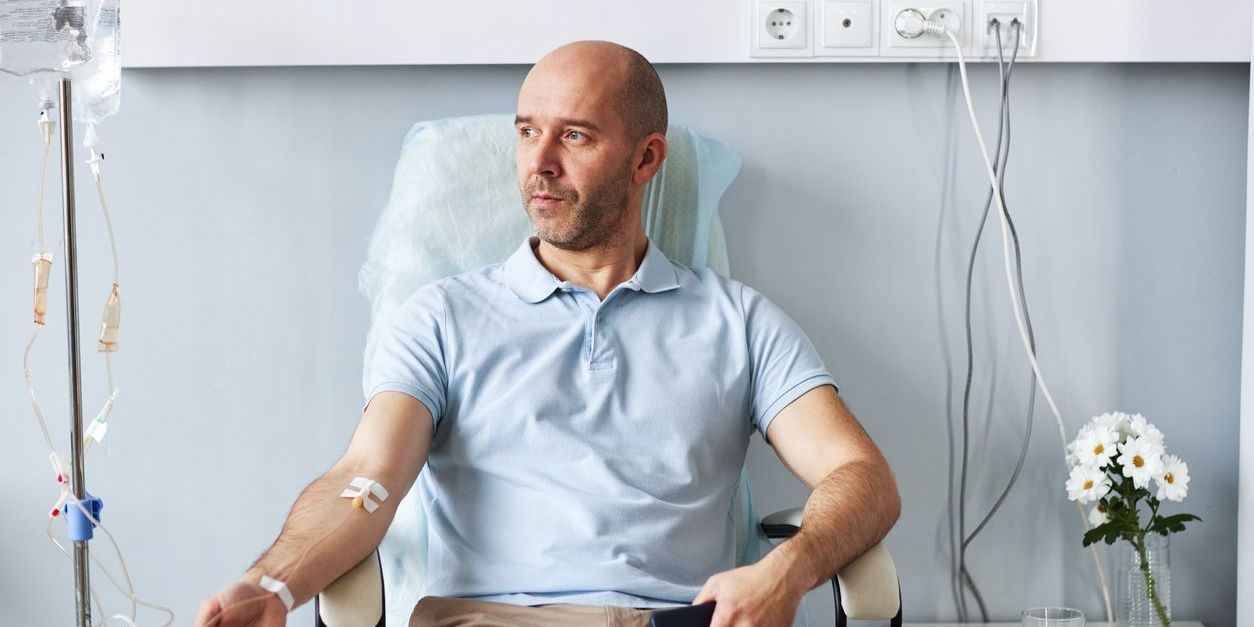
- IV ketamine is a medication delivered by intravenous infusion by trained medical professionals in an outpatient medical office, treatment center, or specialty psychiatric clinic
- Treatment with IV ketamine infusions can provide symptom relief more quickly than standard medications for depression and treatment-resistant depression
What is Ketamine?
Ketamine is a medication first created in a laboratory in the early 1960s, and approved by the Food and Drug Administration (FDA) as a general anesthetic in 1970. In the mid-1970s, researchers recognized its potential use as an antidepressant medication. However, research into ketamine for its mental health benefits didn’t begin until over 20 years later, with the first peer-reviewed research paper on the antidepressant effects of ketamine appearing early in the year 2000.
Since then, research has shown that ketamine – in various forms, including the nasal spray SPRAVATO®, intramuscular injections, and oral lozenges – can help people with a variety of mental health diagnoses.
Another effective delivery method for ketamine is through an intravenous drip, called an IV Ketamine Infusion. The off-label use of IV ketamine can help people with:
- Treatment-resistant depression (TRD)
- Major depressive disorder (MDD)
- Bipolar disorder (BD I & BD II)
- Anxiety disorders (AD)
- Post-traumatic stress disorder (PTSD)
When research shows a medication is effective for a specific diagnosis, and both patient and provider agree it will benefit the patient, then the FDA allows use of that medication. Over the past two and a half decades, peer-reviewed research on ketamine has shown the following:
- Reduction in depressive symptoms in under and hour
- Ongoing symptom reduction after initial infusion:
- Six studies reported symptom reduction for three weeks
- Three studies reported symptom reduction for one month
- Three studies reported symptom reduction for six weeks
- Significant symptom reduction in 70% of patients with depression
That’s why IV Ketamine infusions for mental health treatment are becoming increasingly common. When patients ask us what mental health conditions IV ketamine can help, we tell them the infusions can offer symptom relief for diagnoses such as treatment-resistant depression (TRD) and the four additional conditions we list above.
Mental Health in the U.S.
Mental health is in the news far more often than it was ten years ago.
Several factors account for this.
First, the COVID-19 pandemic increased awareness of mental health, as treatment professionals overwhelmingly agreed that the consequences of public safety measures like self-isolation, social distancing, remote work, and virtual school could exacerbate existing mental health diagnoses and lead to an increase in the overall prevalence of diagnoses such as anxiety and depression. S
Second, two advisories from the Surgeon General of the United States got everyone’s attention: one about a growing mental health crisis among youth and adolescents, and another about an epidemic of loneliness and isolation among U.S. adults.
Finally, the obvious: the past few years have been more stressful than usual in the U.S. From the uncertainty and fear around COVID-19, to contentious social and political debates that have persisted much longer than anyone expected, to increasing suicide rates – particularly among young people – the need for effective, accessible mental health treatment is more important now than ever.
Consider the following statistics.
-
Prevalence of major depressive episode (MDE) in 2024:
-
-
- Among adults (18+): 8.2% (21.4 million) total
- MDE with severe impairment: 8% (5.0 million) total
-
-
Prevalence of treatment resistant depression:
-
-
- 30% of people with major depressive disorder (MDD)
- About 6.4 million people
-
-
Prevalence of bipolar disorder:
-
-
- Lifetime diagnosis: 4.4% (11.3 million)
- Past-year diagnosis: 2.8% (7.0 million)
-
-
Prevalence of anxiety disorders:
-
-
- Lifetime diagnosis: 32.2% (79.9 million)
- Past-year diagnosis: 19.1% (49 million)
-
-
Prevalence of post-traumatic stress disorder:
-
-
- Lifetime diagnosis: 6.8% (17.5 million)
- Past year diagnosis: 3.6% (9.2 million)
-
These prevalence rates demonstrate why we want to share information about what mental health conditions IV ketamine can help.
One thing these five diagnoses have in common is that evidence shows treatment with IV ketamine infusions can help reduce symptoms significantly. That fact alone can bring hope to millions of people in the U.S. with treatment resistant mental health diagnoses. The presence of a new and effective treatment is also important in light of data in the 2024 National Survey on Drug Use and Health (NSDUH) that show that about 50-75 percent of people diagnosed with a mental health disorder receive professional care, leaving millions of people untreated, living with symptoms that cause serious disruption in their daily lives.
Treatment With IV Ketamine: How it Works
Traditional treatment for mental health disorders most often involves an evaluation by a qualified mental health professional, a diagnosis of mental health disorder, if present, and then a referral to a psychiatrist, therapist, or counselor for treatment
Treatment with IV Ketamine starts the same way: assessment, diagnosis, and referral. However, whereas traditional treatment includes a combination of psychotherapy, medication, and lifestyle changes that support optimal health, treatment with IV Ketamine most often follows this protocol, or one very similar.
IV Ketamine: Treatment Session Details
First, the patient and the provider – often a nurse practitioner, but always a qualified and skilled professional clinician – prepare for the session. Patients relax in a comfortable chair in a private treatment room. The clinician initiates the infusion, which lasts around 45 minutes. After the infusion, the clinician monitors the patient for at least 30 minutes. A treatment session typically lasts about 90 minutes. Since one possible side-effect of IV ketamine is drowsiness, patients arrange transportation to and from sessions.
IV Ketamine: A Typical Treatment Plan
A full course of treatment with IV Ketamine may vary by patient needs and provider preference. However, an effective treatment protocol in use by many providers includes six treatment sessions over a period of 2-3 weeks. Some patients may require booster sessions, depending on their response to the initial treatment protocol. In some cases, patients don’t need any booster sessions at all. Patients who receive boosters may return for sessions monthly, every six months, or at a schedule determined by the individual needs and provider input.
Summing It Up: IV Ketamine for Mental Health
We’re fortunate to live in a time when – finally – the stigma around mental health disorders and treatment for mental health disorders is fading. In the past, many people who received diagnoses were wary of treatment, for various reasons: the stigma, the effectiveness, the side effects of medication, and a general lack of knowledge and awareness of the most important facts about mental health disorders and their treatment.
What are those facts?
We’ll offer three:
- Mental health disorders are treatable medical conditions. They’re not character flaws or personal failings, and the disruptive symptoms – e.g. withdrawal from friends and family, avoiding triggering situations – are not choices made by the individual, but rather features of the disorders themselves.
- With professional support and care, it’s possible to manage the symptoms of a mental health diagnosis and live a full and fulfilling life.
- With the advent of new and innovative treatments – including IV Ketamine – patients have a greater chance of treatment success than ever before.
We’re not saying the work of recovery is now suddenly easier than in the past. What we’re saying is that it’s far easier to find effective treatments and start on the journey to healing and recovery, without experiencing the uncertainty, fear, and stigma that surrounded mental health treatment. There’s now every reason to hope that anyone with a mental health diagnosis can find and effective treatment – and change their lives for the better.

 Gianna Melendez
 Jodie Dahl, CpHT