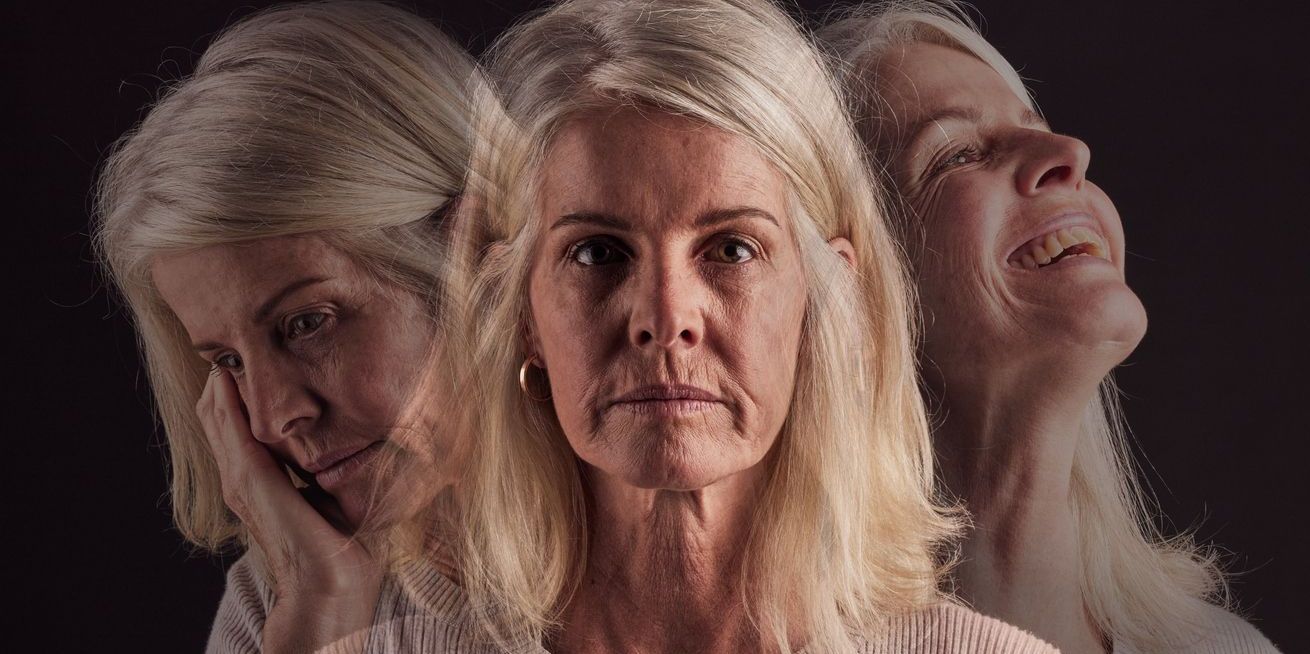
Summary: Residential treatment for bipolar disorder is the best option when an individual needs time away from their current circumstances to start the healing and recovery process.
Key Points:
- Bipolar disorder can appear in several forms.
- Bipolar disorder can cause moderate to severe disruption in the basic activities of daily life.
- The level of disruption caused by bipolar disorder helps clinicians determine which level of care is the best option: in most cases, the less disruptive the symptoms, the less immersive the treatment.
- When disruption becomes severe, immersive treatment may be appropriate.
- Residential treatment for bipolar disorder may be the best option immediately after diagnosis or may be the best option after trying a less immersive level of care.
Treatment for Bipolar Disorder: Determining the Most Appropriate Treatment Plan
A key component of determining an appropriate level of care and deciding whether residential treatment for bipolar disorder is the best option is receiving an accurate diagnosis. This requires an evaluation from a mental health professional experienced in treating bipolar disorder. It’s particularly important for the assessing provider to have experience differentiating between bipolar disorder and other mental health disorders.
In the past, misdiagnosing bipolar disorder was more common than it is now. Disorders that show symptoms that overlap with bipolar disorder, and often result in misdiagnosis and inappropriate treatment, may include:
- Major depressive disorder (MDD)
- Schizophrenia
- Anxiety disorders
- Borderline personality disorder (BPD)
In addition, bipolar disorder often co-occurs with other mental health disorders, which can complicate the diagnostic process. Disorders that co-occur alongside bipolar disorder may include, but are not limited to:
- Anxiety disorders
- Eating disorder
- Attention-deficit hyperactivity disorder (ADHD)
- Alcohol and substance use disorders
- Schizophrenia or schizoaffective disorder
In some cases, a person with bipolar may experience years of misdiagnosis. To understand why, it’s important to understand exactly what the disorder is, and why it’s important to receive a full and comprehensive evaluation before determining an appropriate level of care, building a treatment plan, and deciding when or whether residential treatment for bipolar disorder is the best option.
What is Bipolar Disorder?
Many people know about bipolar disorder by the names manic depression or manic-depressive disorder. Formerly categorized as a mood disorder like major depressive disorder (MDD), experts changed the categorization and name of the disorder in 2013 with the publication of the Diagnostic and Statistical Manual of Mental Disorders (DSM-5).
The name is now – as we can see above – bipolar disorder. The DSM-V identifies three distinct types of bipolar disorder:
- Bipolar I
- Bipolar II
- Cyclothymic disorder
We’ll discuss the differences in a moment. First, here’s an excellent definition of bipolar disorder provided by the Merck Manuals and the National Institute of Mental Health (NIMH):
“Bipolar and related disorders are characterized by alternating episodes of mania and depression, although many patients have a predominance of one or the other. Bipolar disorder causes clear shifts in mood, energy, activity levels, and concentration. People with bipolar disorder often experience periods of extremely up, elated, irritable, or energized behavior, i.e. manic episodes, and very down, sad, indifferent, or hopeless periods, i.e. depressive episodes.”
That’s a good way to understand bipolar disorder. A person with bipolar disorder has mood swings, but they’re different than a typical mood swing someone without bipolar disorder may experience. A typical mood swing involves, for instance, being irritable in the morning, feeling okay by afternoon, and getting back to a typical baseline, or even feeling great, by evening.
In contrast, the mood a person with bipolar disorder experiences may last several days or weeks. The lows can cause problems similar to those experienced by a person with a serious depressive disorder, while the highs can cause problems due to risk taking, impulsivity, overconfidence, and distorted or exaggerated beliefs about personal capabilities and capacities.
What Are the Symptoms of Bipolar Disorder?
We’ll review the primary symptoms of each type of bipolar disorder now, in the order we list them above.
Bipolar I (BD-I)
Clinicians identify this type of bipolar disorder by the presence of:
- Manic episodes:
- Characterized by extreme and contrasting emotions, such anger/elation, euphoria/irritability, or joy/annoyance.
- Depressive episodes:
- Characterized by low mood, feelings of hopelessness, withdrawal from friends and family, decreased engagement/ability to engage in daily activity.
- Mixed episodes:
- Characterized by a combination of symptoms present in manic and depressive episodes.
To receive a diagnosis for BD-I, the episodes we describe above must:
- Last for at least a week
- Have a significant impact on sleep: too much or too little
- Have a significant negative impact on day-to-day functioning
Bipolar II (BD-II)
Clinicians identify this type of bipolar disorder by the presence of:
- Depressive episodes
- Hypomanic episodes
- Mixed episodes
In this type of bipolar disorder, swings in mood – and the associated symptom – are less intense and cause less daily disruption than the moods and symptoms associated with BD-I. Experts call the manic episodes of decreased severity and intensity observed in BD-II hypomanic episodes.
Cyclothymic disorder
Clinicians identify this type of bipolar disorder by the presence of manic and depressive episodes that are less intense, disruptive, and of shorter durations than those observed in BD-I or BD-II. However, the moods may cycle between elevated(ish) and low(er), which distinguishes cyclothymic disorder from mild/moderate depression or mild/moderate anxiety/impulsivity.
Given that bipolar disorder is complex, with symptoms that overlap with other disorders, and other disorders that commonly co-occur alongside bipolar disorder, how do clinicians arrive at an accurate diagnosis, which allows them to decide whether residential treatment for bipolar disorder is the best option?
The Value of a Full Assessment, Experienced Clinicians
Here’s a good reason to get a full evaluation from a licensed mental health professional if you think you or someone you love has bipolar disorder:
An inaccurate diagnosis can delay appropriate treatment for years and require expending substantial resources with very little to show for it.
That’s the truth. A person with bipolar disorder may go several years, max their insurance coverage every year, and spend time and money on treatment that was never going to work in the first place, because they were diagnosed with the wrong disorder. Time spent in unsuccessful treatment can also cause a person to lose hope that they’ll ever recover and regain control of their lives.
To avoid the unnecessary time, energy, and negative emotional consequences caused by a misdiagnosis, it’s essential to arrange a complete psychiatric evaluation, often called a biopsychosocial assessment, administered by an experienced mental health professional. During a full biopsychosocial assessment, a qualified clinician interviews the patient and gathers information on the following factors that may affect mental health:
Biological:
- Current medical situation
- Diagnoses, medications, anything happening now.
- Full medical history
- Diagnoses, medications, anything from the past
- Family medical history
Psychological:
- Mental health history
- Mental health treatment history
- Family mental health history
Social:
- Present state of family, peer, and romantic relationships
- Work history, current work situation
- Academic history, current academic situation
- Personal details that may affect treatment
- Presence of risk and/or protective factors
In addition to those factors, a high-quality treatment center will also consider how individual, traditional, or idiosyncratic spiritual, religious, or cultural practices may affect the development of a mental health disorder and impact effective treatment for a mental health disorder.
With a full evaluation and an accurate diagnosis, a provider can refer a patient to treatment and determine the appropriate level of care.
From Immersive and Intensive to Less Immersive and Less Intensive: How Levels of Care Work
We gave it away in the heading. Levels of care are defined by the level of immersion and the intensity of the treatment program and treatment plan.
Here’s an oversimplified way to look at it:
The more disruptive/severe the symptoms, the more immersive and intensive the treatment, and the less disruptive/severe, the less immersive and intensive the treatment.
The most immersive level of care is emergency inpatient hospitalization, while the least immersive level of care is outpatient psychotherapy/outpatient medication management without psychotherapy. Inpatient hospitalization is about safety and stability, and appropriate in a mental health emergency where risk of harm is imminent: suicidality, recklessness, or dangerous use of intoxicants, for instance.
On the other end of the immersion spectrum is outpatient treatment, which typically involves once a week or once every other week psychotherapy. It’s appropriate for people with mild mental health issues, or people with serious mental illness who’ve developed the skills and capacity for independent living.
In between, you’ll find partial hospitalization programs (PHP), where patients get a full day of treatment but don’t live at the treatment center, and intensive outpatient programs (IOP), where patients get a half day of treatment and don’t live at the treatment center.
Residential treatment is more immersive than PHP and IOP but less immersive, restrictive, and intensive than inpatient hospitalization,
Residential Treatment: What Happens?
During a stay at a residential treatment center, patients:
- Live on-site with 24/7 medical and safety monitoring
- Participate in a full day of treatment, including:
- Individual therapy and counseling
- Group therapy and counseling
- Educational group workshops
- Family therapy
- Complementary supports
- Have the support of a case manager, who often helps with:
- Reintegration back to home life
- Finding work
- Restarting school
- Connecting to ongoing support after residential treatment
- Receive help practicing and building recovery friendly skills, such as:
- Conflict resolution
- Healthy communication
- Stress management
- Distress tolerance
- Health eating
- Exercise and activity
During residential treatment, patients spend time focusing on themselves and developing the skills they need to recover, rebuild their lives, and return to a full and fulfilling life. Living a life filled with adult responsibilities – family, work, school – is not always compatible with the immersive treatment needed to recover from a serious mental illness.
How to Decide What Level of Care Will Help the Most
Residential treatment for bipolar disorder may be the best option if the symptoms of your disorder cause significant disruption in your daily life. If manic and/or depressive symptoms cause any of the following consequences, residential treatment may be appropriate:
- Problems with family relationships
- Problems with peer/partner relationships
- Drop in work or school performance
- Risky behavior
- Self-medication with alcohol and drugs
- Withdrawal from friends, family, and social life
- Decreased interest/ability to maintain basic self-care
- Decreased ability to maintain basic levels of activity and personal hygiene
To say all that in a more simplified way:
If your symptoms make meeting the core expectations of daily life difficult or impossible, residential treatment for bipolar disorder may be the best option.
However, the best – and only – way to be certain about the type and level of mental health treatment you need is to seek professional support and receive a full psychiatric evaluation and referral. The earlier a person with a serious mental illness gets the treatment they need, the better the outcome.

 Gianna Melendez
 Jodie Dahl, CpHT