Summary: Yes, there are new treatments for suicidal behavior currently in trials for patients with a major depressive episode (MDE) with suicidal symptoms.
Key Points:
- A new study examines the effect of IV ketamine infusions for people with suicidal symptoms associated with major depressive disorder and bipolar disorder.
- A nasal spray containing a ketamine derivative received FDA approval for treatment-resistant depression in 2019.
- The same medication was approved for major depressive disorder with suicidal ideation a year later in 2020 and subsequently approved as a standalone treatment for treatment resistant depression in 2025.
- IV ketamine is currently in off label use for depression, treatment resistant depression, and depression with suicidal ideation
New Medication and New Treatments for Suicidal Behavior
We’ve entered a new era of mental health treatment that involves medications which, not long ago, were considered unsafe, ineffective, or inappropriate for use in a clinical setting. Most people refer to these new medications and approaches – which include new treatments for suicidal behavior – with the umbrella term psychedelic psychiatry, although that’s not entirely accurate, because not all of the medications associated with this new approach are true psychedelics.
To clear up any confusion, we’ll elaborate:
- The medication approved for mental health treatment we mention above is called esketamine, which is a derivative of ketamine.
- Neither ketamine nor esketamine are true psychedelics, but rather classified as dissociative anesthetic which, in some cases, can cause hallucinations and other changes in thought and emotion typically associated with psychedelics.
- Psychedelic mediations currently under review for mental health treatment include psilocybin, LSD, and MDMA.
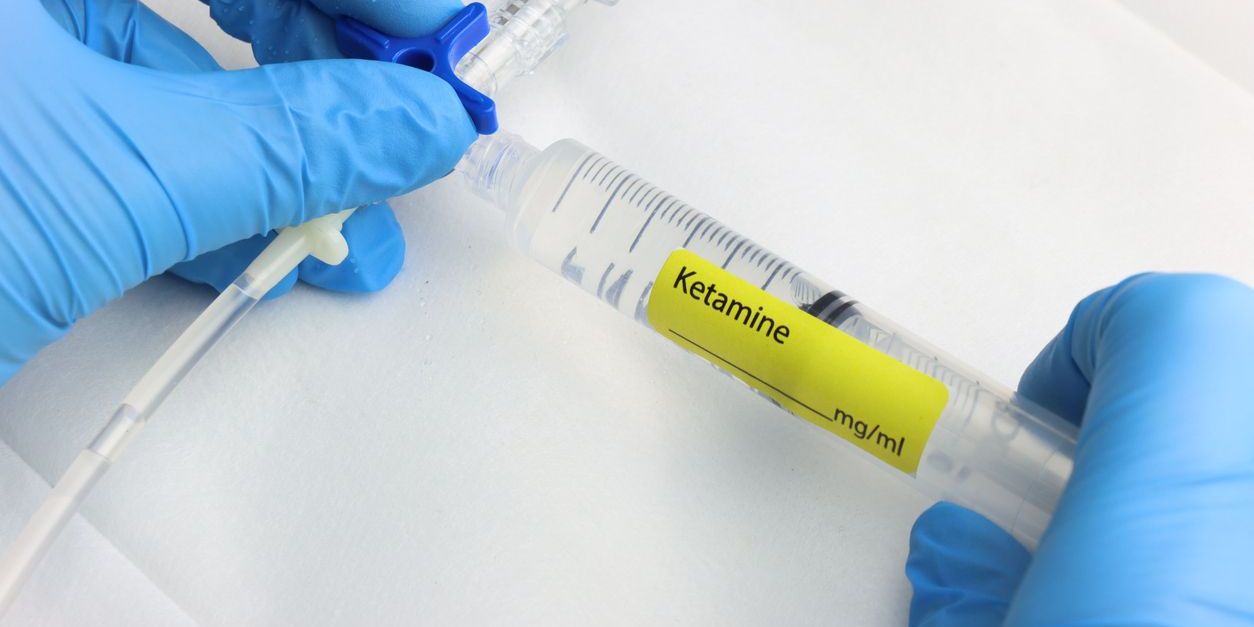
The medication we’ll discuss in this article as one of the new treatments for suicidal behavior is ketamine delivered intravenously. Clinicians refer to ketamine delivered in this manner as IV ketamine. A recent meta-analysis called “Ketamine Infusions and Rapid Reduction of Suicidal and Depressive Symptoms in Major Depressive Episode” examined the results of single and repeated infusions of IV ketamine on symptoms of suicidality and depression.
Let’s take a look at that study.
IV Ketamine for Suicidal Behavior: A Summary of Research
The research team organized their study around the following question:
“Is intravenous ketamine efficacious in reducing suicidal and depressive symptoms in patients with a major depressive episode (MDE)?”
To find an answer, researchers examined records from 26 studies involving over a thousand patients diagnosed with a major depressive episode. Roughly half of the patients received a single ketamine infusion, followed by additional infusions, with the remaining patients acting as a control group. The researchers focused on three outcomes:
- Changes in symptoms of suicidality and depression
- Remission of depressive symptoms
- Adverse events related to the safety of the medication
All patients received a single infusion at the start of the study – either IV ketamine or placebo – then follow up infusions at regular intervals for one month. Researchers assessed depressive symptoms and symptoms of suicidality at the following time points:
- 4 hours
- 24 hours
- 3 days
- One week
- One month
Let’s take a look at what they found.
Do New Treatments for Suicidal Behavior Work?
The research team reported the results as a standard mean difference (SMD) as compared to the control group. In regular language, that’s basically the average improvement for people who took the medication compared to people who didn’t.
A standard mean difference of less than 0.2 indicates a small effect, a standard mean difference of 0.5 indicates a moderate effect, and a standard mean difference of 0.8 indicates a large effect. A negative (-) sign before the value indicates a reduction, whereas a (+) sign before the value indicates an increase.
Patients with suicidal symptoms who received a single infusion of ketamine showed the following:
Suicidal Symptoms After IV Ketamine
- 24 hours:
- SMD: -0.69
- Moderate to large effect
- 1 month:
- MD: -0.70
- Moderate to large effect
In addition, patients who received repeated infusions reported significant symptom reduction after one month of treatment, with and SMD of -0.72.
Those results are promising. They show a quick and lasting reduction in suicidal symptoms. Next, we’ll share the impact of ketamine infusions on symptoms of depression. Compared to the control group, patients with depressive symptoms who received a single infusion of ketamine showed the following:
Depressive Symptoms After IV Ketamine
- 4 hours:
- SMD: -1.74
- Large effect
- 24 hours:
- SMD: -1.15
- Large effect
- 3 days:
- SMD: -0.97
- Large effect
- 1 week:
- SMD: -0.89
- Large effect
In addition, patients who received repeated infusions reported significant symptom reduction after one month of treatment, with an SMD of -0.81.
We’ll discuss these results below.
The Importance of Rapid Response for Any New Treatments for Suicidal Behavior
To understand why we need to improve treatment for suicidal behavior – in addition to the fact that we want all of our patients to live full and fulfilling lives – we’ll share the most recent statistics on suicide from the Centers for Disease Control and the National Institutes of Health (NIH).
First, the data on suicidal ideation, i.e. thinking about or planning suicide.
Serious Thoughts of Suicide in the Past Year Among U.S. Adults Aged 18+
- Total: 5%
- Men: 4.5%
- Women: 5.5%
For perspective, five percent of the adult population of the U.S. accounts for close to 12 million people. To simplify the message, we can report that in the U.S. every year, millions of people seriously consider suicide. For detailed information on the current state of suicide prevention in the U.S., please read the following article on our blog:
That information will help contextualize this next set of data, which is sobering, and further demonstrates the real need for improved treatment for suicidality.
Suicide Fatalities in the U.S. 2021-2023
- 2021: 48,080
- 2022: 49,437
- 2023: 49,380
With those figures in mind, here’s something that’s very important to understand:
Suicide is preventable.
Evidence shows that people who receive support for suicidality – whether through a crisis line, professional mental health support, or peer support – have a decreased risk of committing suicide. With a new medication like ketamine, it may be possible to decrease this risk further.
Helping Patients Manage Crisis: Suicidality and Depression
Medications like IV ketamine may be most applicable in an acute, severe mental health/suicide crisis. Here’s how Dr. Taheo Greg Rhee, a lead researcher on the study, characterizes the impact of IV ketamine on suicidality:
“First, given that the rapid anti-suicidal effects occurred…after a single infusion and remained effective at 24 hours, intravenous ketamine may potentially be used in emergency treatment for those at high risk of suicidal behaviors.”
That’s a helpful analysis that effectively summarizes the value of this study and the potential benefits of IV ketamine for people experiencing suicidal ideation or a suicide crisis.
If you or someone you know is having a suicide crisis and risk of harm is imminent, please call 911 or go to the emergency room. For a crisis with no imminent risk of harm, call the 988 Suicide & Crisis Lifeline right away. Do not wait. Never ignore talk of suicide.
The study also offers promise for patients with treatment resistant depression, defined as depression that doesn’t respond to at least two attempts at therapy with standard antidepressants. Current data indicates that 30 percent of people with depression will develop treatment resistant depression (TRD). Among the 21.4 million adults in the U.S. with depression, that’s close to 6.5 million people.
The results of this study show two things. First, IV ketamine can reduce symptoms within hours, which can help patients in a depressive crisis. However, IV ketamine elicited a different response for symptoms of depression than symptoms of suicidality. Here’s how Dr. Rhee understands the impact of IV ketamine on TRD:
“When patients with [TRD] are treated with intravenous ketamine, they are likely to receive repeated infusions, rather than a single infusion, because a single ketamine infusion is often short-lived and nearly all patients had relapse of their depressive symptoms within 2 weeks following administration of a single infusion.”
When talking about IV ketamine, caution is important. It’s tempting to view this drug as a shortcut to symptom relief. However, this medication is not yet approved by the Food and Drug Administration (FDA) and is only used off label. The long-term effects of IV ketamine are unknown, and safety protocols for the medication are currently under review. The U.S. Department of Veterans Affairs has developed a protocol for IV ketamine to guide treatment of TRD and suicidality among veterans, with experts at work defining safety protocols for civilians in anticipation of FDA approval.
When the approval status of IV ketamine changes, or when new data appear, we’ll share the information here on our blog as soon as it’s available.
Resources: Finding Support for Suicidality
If you or someone you know is at risk of suicide, please get help immediately. When risk is immediate, call 911 or go to the emergency room now: do not wait. If risk of harm is serious but not immediate, call or text the 988 Suicide & Crisis Lifeline at 988. The crisis line will connect you or the person in crisis to an appropriate level of support and care.
Veterans dial 988 + 1 for 24/7 support for veterans and active-duty military.
Resources: Finding Support for Treatment Resistant Depression
If you or someone you know needs professional treatment and support for treatment resistant depression (TRD), please contact us here at Crownview Psychiatric Institute. We can help. In addition, you can find support through the following online resources:
- The National Alliance on Mental Illness (NAMI): Find a Professional
- The National Institute of Mental Health (NIMH): Finding Treatment
- The Substance Abuse and Mental Health Services Administration (SAMHSA): Finding Help
- American Psychiatric Association (APA): Treatment Locator
- SAMHSA: Early Serious Mental Illness Treatment Locator

 Gianna Melendez
 Jodie Dahl, CpHT