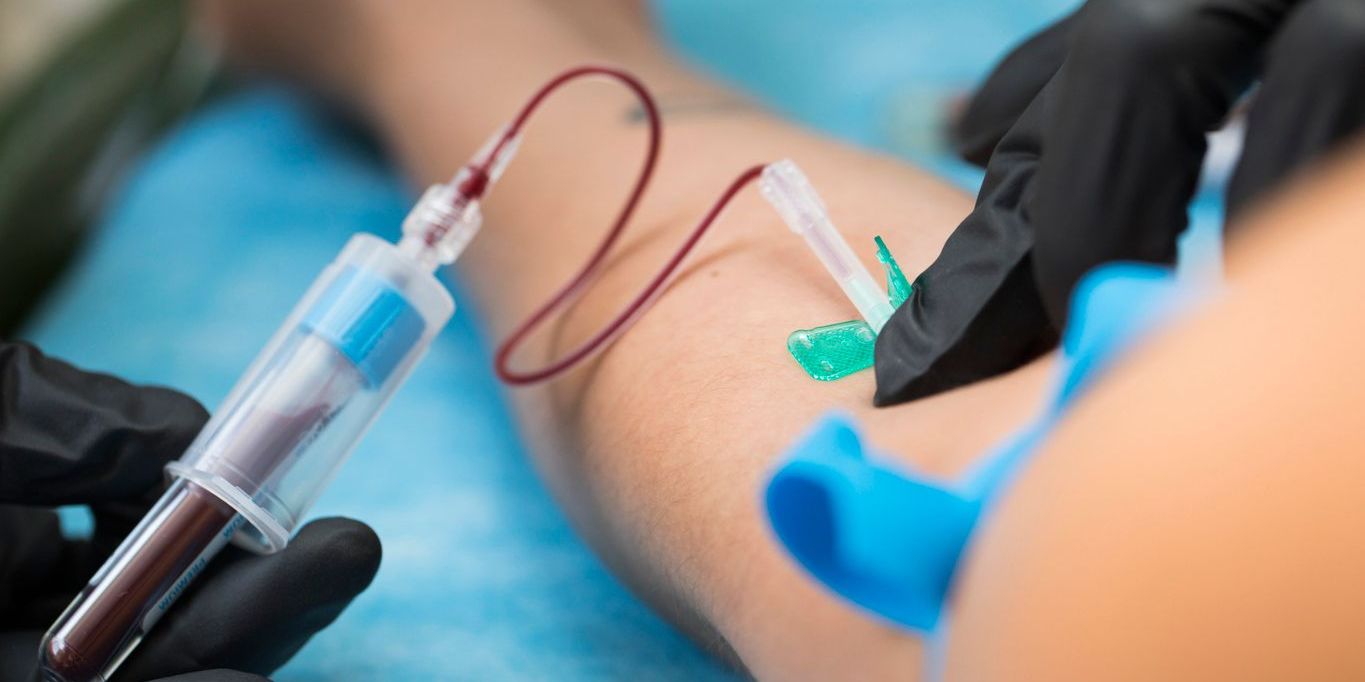
Summary: No, there is currently no blood test available to detect and diagnose PTSD, or post-traumatic stress disorder. However, new research shows the presence of specific biomarkers in the bloodstream may lead targeted diagnosis and mental health treatment.
Key Points:
- Post-traumatic stress disorder (PTSD) is associated with significant psychosocial impairment, i.e. problems with family, friends, work, and school.
- PTSD is also associated with significant increase in risk of chronic physical illness and premature mortality.
- Research examining PTSD biomarkers shows connections between PTSD and changes in core physiological systems regulating overall physical health.
What Are Blood Biomarkers and What Do They Have to Do With PTSD?
Blood biomarkers are chemicals we can identify in the human bloodstream, with testing, that can confirm or rule out the presence of a disease or illness. Here’s how the National Institutes of Health (NIH) define the term blood biomarker:
“A biological molecule found in blood, other body fluids, or tissues that is a sign of a normal or abnormal process, or of a condition or disease. A biomarker may be used to see how well the body responds to a treatment for a disease or condition. Also called molecular marker and signature molecule.”
For instance, doctors use blood biomarkers to test for:
- Infectious disease
- Cancer
- Heart disease
- Autoimmune disorders
- Diabetes
- Liver disease
- Kidney disease
- Neurological disorders
These tests serve four primary functions:
- Diagnostic: identifying the presence of a disease or illness
- Predictive: identifying level of risk for a specific disease of illness
- Monitoring: assessing patient response to a treatment or intervention
- Prognosis: offering an evidence-based assessment of how a diagnosed disease may progress in an individual, based on various factors.
If scientists want to develop a blood test for PTSD, using biomarkers is most likely the best approach to take. The research we discuss today has the potential to help patients in all four areas above: diagnosis, prediction, monitoring, and prognosis. While none of the biomarkers assessed or identified can predict PTSD before it develops, they can identify increased risk of developing PTSD by the presence of specific genetic factors. In the future, however, these biomarkers may be used to detect the presence of PTSD in people without a PTSD diagnosis.
Let’ take a look at the latest research and learn about the new research efforts to develop a blood test for PTSD.
Developing a Blood Test for PTSD: Genome Wide Assessments (GWAS) and Electronic Health Records
In 2026, a group of mental health researchers from Harvard University designed a study called “Towards Scalable Biomarker Discovery in Posttraumatic Stress Disorder: Triangulating Genomic and Phenotypic Evidence from a Health System Biobank” with the following goal:
“To triangulate phenotypic and genomic evidence from a health system biobank with a goal of identifying scalable and clinically relevant biomarkers for PTSD.”
Dr. Younga Heather Lee, a lead researcher on the project, describes the relevance of this aspect of PTSD research:
“Finding scalable, blood-based biomarkers could help inform timely interventions aimed at mitigating chronic disease risk, which could ultimately improve long-term health outcomes among patients living with PTSD.”
To conduct the study, the research team collected data on a total of 23,743 people from the Mass General Brigham (MGB) Biobank, among whom five percent had a diagnosis of PTSD. They looked at the presence of biomarkers for PTSD, genes associated with PTSD, and diagnosis of PTSD to determine if any of the biomarkers were consistent across demographic groups, risk factors, and other potentially confounding factors.
After data collection and analysis, the researchers identified several blood biomarkers related to the presence of PTSD associated with the following physiological systems. The team separated their results into four categories: cardiometabolic markers, hematologic markers, hepatic markers, and immune markers.
Here’s what they found.
1. Cardiometabolic markers, i.e. related to the heart and circulatory system:
Previous research establishes significant associations between PTSD and cardiovascular disease, elevated harmful cholesterol, decreased helpful cholesterol, and vitamin D deficiency.
This experiment showed significant association between PTSD diagnosis and the following cardiometabolic blood markers:
-
-
- Vitamin D
- Cholesterol (HDL)
- Cholesterol (LDL)
- Blood glucose
- Potassium
- Triglycerides
- Urea nitrogen
-
2. Hematologic markers, i.e. related to blood/bloodstream:
Previous evidence establishes weak associations between PTSD diagnosis and red blood cell count, platelet count/volume, and white blood cell count.
This experiment showed significant association between PTSD diagnosis and the following hematologic blood markers:
-
-
- Erythrocytes
- Platelets
-
3. Hepatic markers, i.e. related to the liver:
Previous research shows PTSD diagnosis is associated with increased risk of viral hepatitis, chronic liver disease, and cirrhosis. Among veterans, PTSD diagnosis is associated with premature mortality from liver disease and viral hepatitis.
This experiment showed significant association between PTSD diagnosis and the following hepatic blood markers:
-
-
- Alkaline phosphate
- Bilirubin
-
4. Immune markers, i.e. associated with the immune system, or natural human defenses against pathogens that cause disease and illness:
Previous evidence shows diagnosis of PTSD is associated with immune problems and immune-related inflammation.
This experiment showed significant association between PTSD diagnosis and the following blood markers in the immune system:
-
-
- Eosinophils
- Leukocytes
- Lymphocytes
- Monocytes
-
To understand the broader implications of these findings, we’ll refer back to Dr. Lee:
“Our study suggests that PTSD could lead to widespread physical changes affecting cardiometabolic health, immune health, and hepatic health. This multi-system impact helps us understand why untreated PTSD can have such devastating effects on patients’ overall health.”
We’ll discuss these results further, below.
A Blood Test for PTSD: What Would it Mean?
A blood test for PTSD – if one appears in the future – could mean people that have PTSD but don’t want to receive a full psychiatric evaluation can receive a diagnosis, begin appropriate treatment, and realize they need a full psychiatric evaluation. It would also help providers, patients, and families avoid misdiagnosis, which can delay appropriate treatment, delay progress, and in some cases exacerbate undiagnosed PTSD. And finally, it would support the in-person assessment-based diagnostic process with quantifiable data confirming or ruling out a diagnosis.
In summary, the researcher found the following 16 markers related to PTSD diagnosis:
- 7 markers associated with the heart and circulatory system
- 2 markers associated with blood/bloodstream
- 3 markers associated with the liver/liver disease
- 4 markers associated with the immune system
In addition, one aspect of the analysis identifies differences in PTSD associated with sex assigned at birth:
- Females had higher overall rates of diagnosed PTSD.
- Females had higher rates of prescriptions for psychotropic medications, which could impact the risk of metabolic disorders and presence and expression of biomarkers.
- Compared to males, females showed a greater total number of biomarkers associated with PTSD.
It’s well-documented that females report higher rates of PTSD compared to males, and this new research shows this phenomenon may be partially genetic and partially due to clinical factors associated with common PTSD treatments, which females receive at far higher rates than males. This is another important observation that warrants further research: for some females, psychotropic medications increase the presence of PTSD biomarkers, but how that affects the course of the disorder is, as yet, unknown.
Here’s how the research team describes their overall findings:
“Our findings identified clinically relevant laboratory markers spanning across cardiometabolic, hematologic, hepatic, and immune systems. These findings warrant further investigation to better understand the interplay between PTSD, treatments, and subsequent metabolic dysregulations.”
When researchers publish more information on this topic, or the FDA approves a blood test for PTSD, we’ll report everything you need to know as soon as possible.

 Gianna Melendez
 Jodie Dahl, CpHT